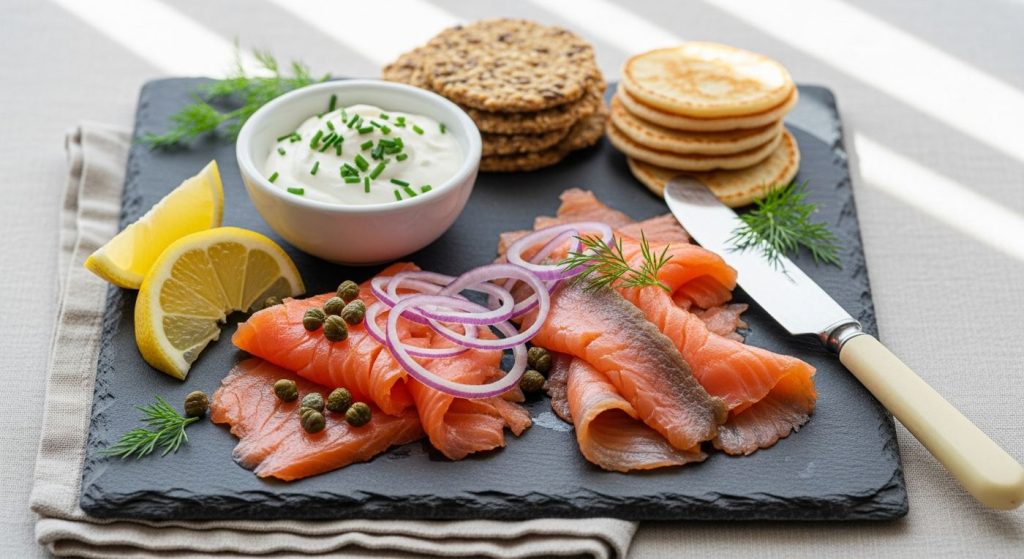
The charcuterie board has officially evolved. In 2026, one of the biggest entertaining and food trends is the rise of the seachuterie board — a seafood-focused spread featuring premium tinned fish, fresh oysters, smoked seafood, shellfish, artisan crackers, pickled vegetables, and carefully selected wine pairings.
Part appetizer, part conversation piece, and part culinary adventure, seachuterie combines the elegance of seafood towers with the relaxed style of grazing boards. Inspired by Spanish conservas culture, Scandinavian seafood traditions, and modern wine-bar dining, these boards celebrate high-quality seafood in a visually stunning and flavor-packed format.
But building an unforgettable seachuterie board isn’t just about arranging tins of sardines on a platter. The key lies in balancing textures, saltiness, acidity, freshness, and richness — then pairing everything with wines that enhance the oceanic flavors rather than overpower them.
Whether you’re hosting a dinner party, building a wine-night spread, or looking for unique entertaining ideas, this guide covers how to create the ultimate seafood charcuterie board and the best wine pairings for oysters, smoked fish, sardines, mussels, and more.
What Is a Seachuterie Board?
A seachuterie board is a seafood-inspired alternative to a traditional charcuterie board. Instead of cured meats, it focuses on:
- Premium tinned fish
- Oysters and shellfish
- Smoked seafood
- Pickled accompaniments
- Bread and crackers
- Dips and spreads
- Fresh herbs and citrus
- Wine pairings
The concept has exploded in popularity thanks to the growing appreciation for gourmet conservas (high-end tinned seafood), sustainable seafood sourcing, and Mediterranean-style entertaining.
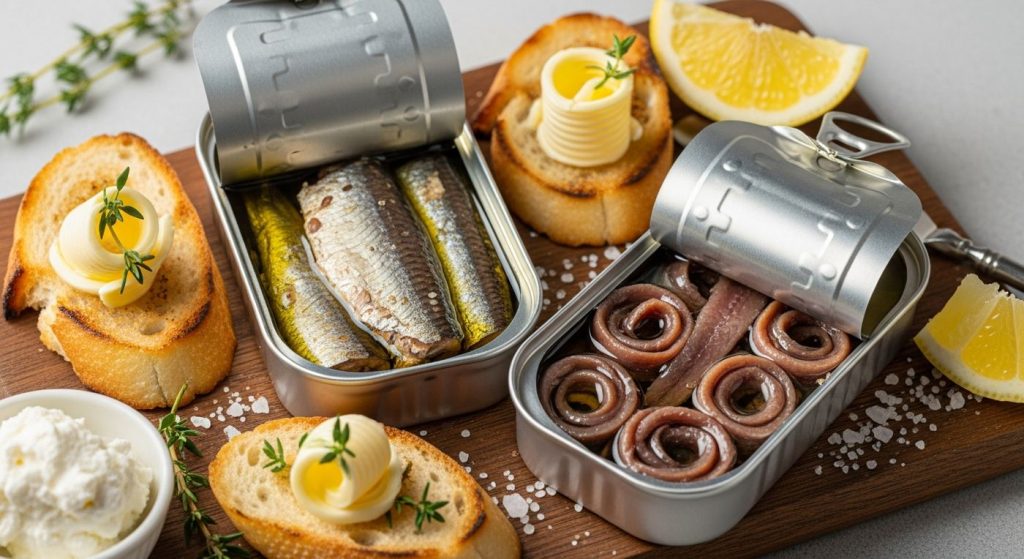
Why Tinned Fish Became a Luxury Food Trend
Tinned seafood has undergone a major transformation over the last decade. What was once viewed as a pantry staple is now celebrated in specialty food shops and wine bars worldwide.
Premium conservas from Spain and Portugal are especially sought after because of:
- Sustainable fishing practices
- Exceptional olive oils and marinades
- Small-batch production
- Rich umami flavor
- Long shelf life
- Beautiful packaging and presentation
Many top restaurants now serve premium tinned seafood alongside natural wines and artisan breads.
How to Build the Perfect Seachuterie Board
Start With High-Quality Seafood
The seafood is the centerpiece, so quality matters enormously.
Great options include:
- Sardines packed in olive oil
- Smoked trout or smoked salmon
- Mussels in escabeche sauce
- Mackerel fillets
- Anchovies
- Tuna conserva
- Octopus or squid
- Fresh oysters
- Shrimp cocktail
Try mixing textures and intensities — combine delicate seafood with richer oily fish for balance.
Add Crunch and Texture
Every great board needs contrast.
Include:
- Toasted baguette slices
- Rustic sourdough bread
- Sea salt crackers
- Crisp flatbreads
- Kettle chips or potato crisps
The crunch helps balance softer seafood textures.
Include Acidic and Briny Elements
Acidity is essential with seafood because it brightens flavors and cuts through richness.
Perfect additions:
- Cornichons
- Pickled onions
- Capers
- Castelvetrano olives
- Marinated peppers
- Lemon wedges
- Pickled fennel
Fresh herbs like dill, parsley, and chives also help lift the board visually and aromatically.
Add Creamy Components
Creamy spreads provide richness and help tie the board together.
Excellent choices:
- Crème fraîche
- Lemon aioli
- Herb butter
- Whipped ricotta
- Cultured butter
- Garlic yogurt dip
These pair especially well with smoked fish and crusty bread.
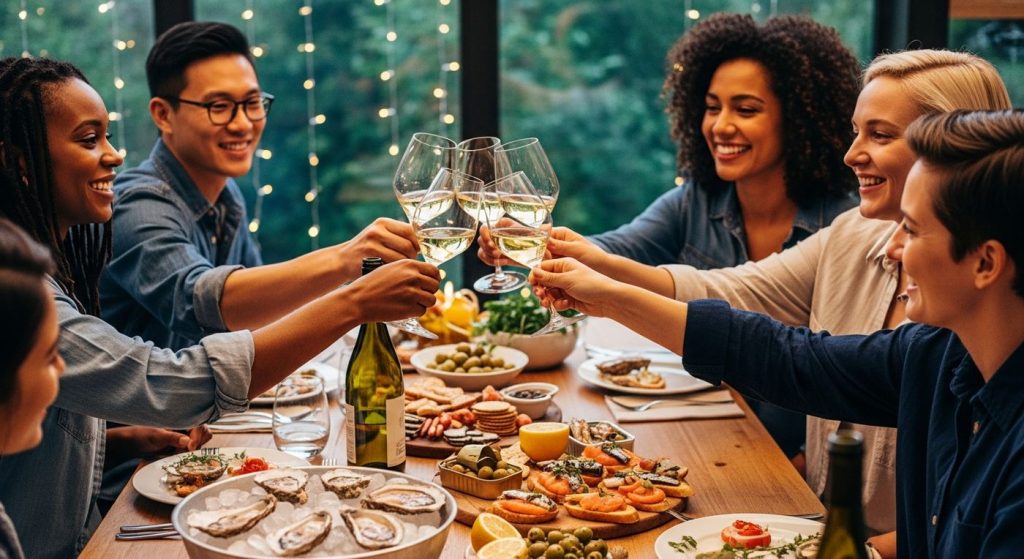
Best Wine Pairings for Seachuterie Boards
Seafood generally pairs best with high-acid wines that refresh the palate and highlight salinity and minerality.
Sauvignon Blanc
Best for: Sardines, anchovies, smoked salmon, and herb-forward seafood dishes.
Sauvignon Blanc remains one of the best seafood wines because of its:
- Bright citrus character
- Crisp acidity
- Mineral-driven finish
- Herbaceous notes
Loire Valley Sauvignon Blancs pair beautifully with oily fish because their acidity cuts through richness without overwhelming delicate seafood flavors.
Albariño
Best for: Oysters, shrimp, mussels, and lighter shellfish.
Albariño from Spain’s Rías Baixas region is practically made for seafood.
Why it works:
- Saline minerality mirrors ocean flavors
- Citrus and stone fruit notes complement shellfish sweetness
- Crisp, refreshing finish cleanses the palate
This is one of the ultimate oyster wines.
Dry Sparkling Wine
Best for: Oysters, smoked fish, caviar, and celebratory seafood boards.
Sparkling wine is one of the most versatile seafood pairings because:
- High acidity refreshes the palate
- Bubbles cut through oiliness
- Crisp fruit enhances delicate seafood flavors
Brut sparkling wines, Crémant, Cava, and Champagne-style wines all work wonderfully.
Dry Rosé
Best for: Smoked salmon, tuna conserva, grilled shrimp, and Mediterranean-style seafood spreads.
Dry rosé offers enough body for richer seafood while still maintaining freshness and acidity.
Look for:
- Provence rosé
- Spanish rosado
- Italian rosato
These wines pair especially well with herb-heavy boards.
Light-Bodied Red Wine
Best for: Smoked fish, grilled octopus, or richer tuna preparations.
While heavy reds can overpower seafood, lighter reds with low tannins can work surprisingly well.
Good options include:
- Pinot Noir
- Gamay
- Chillable red blends
Serve slightly chilled for best results. Check out our favorite chilled wines here.
Seachuterie Board Styling Tips
Presentation matters just as much as flavor.
Use varying heights
Stack tins, layer crackers, and use small bowls to create visual depth.
Leave some tins open
Opened tins add authenticity and visual appeal.
Add fresh citrus
Lemon wedges brighten both the flavor and the presentation.
Use natural textures
Wood boards, ceramic dishes, linen napkins, and rustic serving tools create a more elevated aesthetic.
Avoid overcrowding
Give each seafood item enough space so guests can easily build bites.
FAQ
What is the difference between charcuterie and seachuterie?
Traditional charcuterie focuses on cured meats and cheeses, while seachuterie highlights seafood like tinned fish, oysters, smoked salmon, and shellfish.
What are the best tinned fish for a seachuterie board?
Popular choices include sardines, mackerel, tuna conserva, anchovies, mussels, octopus, and smoked trout.
What wine pairs best with oysters?
Dry sparkling wine, Champagne-style wines, Muscadet, and Albariño are classic oyster pairings because of their minerality and acidity.
Can you pair red wine with seafood?
Yes — but lighter reds with low tannins work best. Pinot Noir and Gamay are safer choices than bold Cabernet Sauvignon or heavily oaked wines.
Are tinned fish boards healthy?
Generally, yes. Many tinned fish are rich in omega-3 fatty acids, protein, calcium, and essential minerals.
Final Thoughts
Seachuterie boards are one of the most exciting entertaining trends of 2026 because they combine elegance, creativity, and incredible flavor in a surprisingly approachable way. From buttery sardines and smoked trout to fresh oysters and sparkling wine, these seafood-centered grazing boards create an experience that feels luxurious without being overly complicated.
The beauty of a seachuterie board lies in balance: salty and bright, rich and refreshing, rustic and refined. Pairing the right seafood with crisp wines, fresh accompaniments, and thoughtful presentation transforms a simple snack spread into a memorable culinary experience.
Whether you’re hosting friends, planning a wine night, or simply exploring the growing world of premium tinned fish, a well-built seachuterie board offers endless opportunities for experimentation — and delicious results.