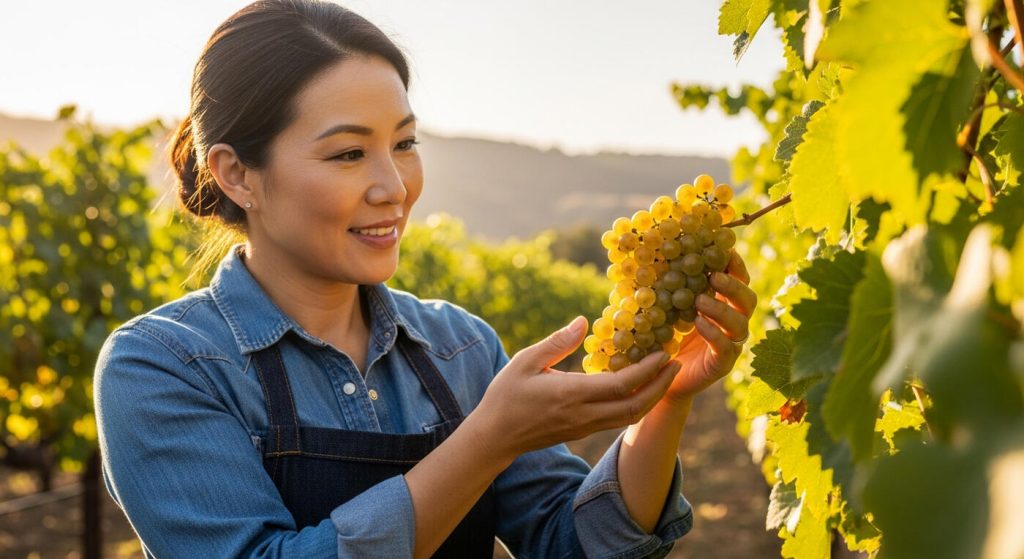
For years, the mere mention of Chardonnay conjured images of heavily oaked, buttery behemoths that dominated wine lists and palates alike. If you’re among those who’ve declared, “I don’t drink Chardonnay,” I understand. It’s a sentiment born from an era where one style reigned supreme, leaving little room for nuance. But I’m here to tell you, as a seasoned wine enthusiast and sommelier at heart, that Chardonnay is experiencing a remarkable renaissance. The world’s most popular white wine varietal is shedding its controversial past and embracing a spectrum of styles that deserve a second look. From crisp, unoaked expressions reminiscent of Chablis to richer, more complex versions that still offer elegance, the modern Chardonnay is a far cry from its predecessors.
This journey into the heart of Chardonnay’s comeback is not just about revisiting a classic; it’s about discovering a world of versatility and deliciousness. We’ll explore what makes today’s Chardonnay so exciting, delve into the nuances of different winemaking techniques, and uncover the best wine pairings for steak dinner and other culinary adventures. Whether you’re a seasoned wine aficionado or just curious to explore beyond your usual choices, prepare to be surprised. This guide is your invitation to explore the best Chardonnay 2026 has to offer, understand its evolving identity, and perhaps, find your new favorite.
Why Chardonnay’s Making a Comeback
- Diverse Styles: Modern Chardonnay ranges from lean and mineral-driven to full-bodied and complex.
- Versatile Pairings: Excellent with everything from delicate seafood to hearty roasts.
- Winemaking Innovation: Winemakers are embracing techniques that highlight fruit and terroir over heavy oak.
- Global Appeal: Found in virtually every major wine-producing region, offering distinct regional characteristics.
The Evolution of Chardonnay: Beyond the Butter
The Chardonnay narrative took a hit in the late 20th century. Aggressive malolactic fermentation and heavy-handed oak aging created a style that, while popular, became polarizing. Think of it as a bold, theatrical performance – exciting for some, overwhelming for others. But like any great artist, Chardonnay has evolved. Today’s winemakers are focusing on expressing the grape’s inherent qualities and the unique character of its origin – its terroir.
This shift means you’ll find Chardonnays that are vibrant and zesty, with notes of green apple, citrus, and a refreshing minerality. These are often the result of minimal oak influence or being aged in stainless steel. On the other end of the spectrum, you’ll find Chardonnays that still offer richness and complexity, but with a more balanced approach to oak. Here, the oak serves to enhance, not dominate, adding layers of spice, vanilla, and a creamy texture that complements, rather than masks, the fruit. Understanding these differences is key to appreciating the modern Chardonnay.
Key Factors Shaping Modern Chardonnay:
- Oak Usage: From neutral French oak to new American oak, the type, age, and toast level of barrels significantly impact flavor and texture. Less oak or stainless steel fermentation results in brighter, fruit-forward wines.
- Malolactic Fermentation (MLF): This process converts sharp malic acid (like in green apples) to softer lactic acid (like in milk), adding a creamy, buttery character. Modern winemaking often controls or limits MLF for freshness.
- Lees Stirring (Bâtonnage): Stirring the dead yeast cells (lees) in the wine adds texture and complexity, contributing to a richer mouthfeel without necessarily relying on heavy oak.
- Vineyard Site: Just like with Pinot Noir or Cabernet Sauvignon, the climate, soil, and elevation of the vineyard play a crucial role in the final wine’s character. Cool climates tend to produce more acidic, mineral-driven wines, while warmer climates yield riper fruit flavors.
Where to Find the Best Chardonnay: A Global Tour
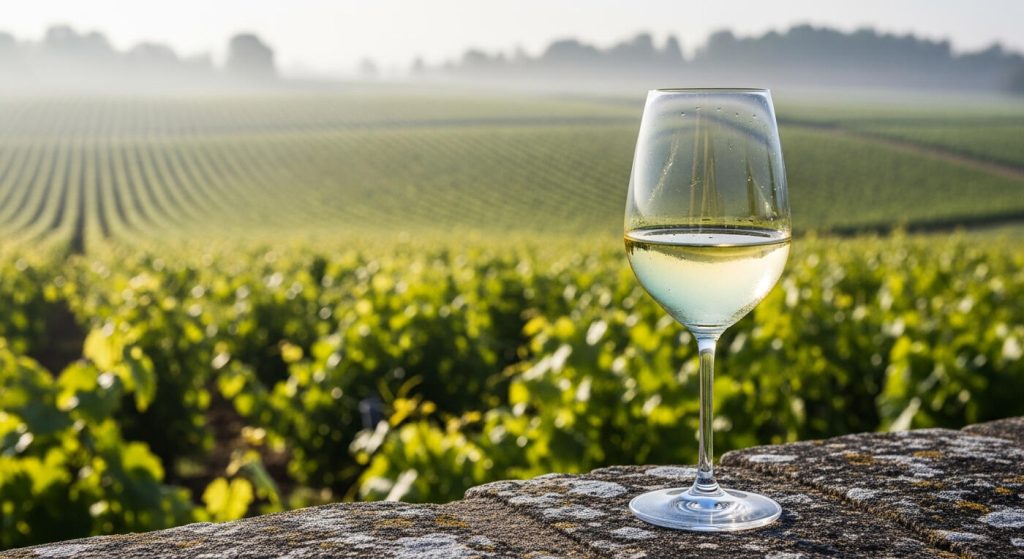
The beauty of Chardonnay lies in its adaptability. It thrives in diverse climates, leading to a fascinating array of regional expressions. From the hallowed grounds of Burgundy to the sun-drenched vineyards of California, and emerging regions worldwide, there’s a Chardonnay for every palate and occasion. Exploring these different origins is part of the joy of wine discovery, offering a chance to experience how terroir and winemaking choices interact.
For the Crisp & Mineral Lover: Burgundy (France)
Best for: Those who appreciate elegance, minerality, and age-worthiness. True white Burgundy, especially from appellations like Chablis, Puligny-Montrachet, and Meursault, is the benchmark for high-quality Chardonnay. Chablis, in particular, is renowned for its unoaked, steely character, often showcasing notes of green apple, lemon zest, and a distinct saline minerality that speaks directly of its Kimmeridgian limestone soils.
- Tasting Tip: Look for wines labeled Chablis for unoaked expressions. Premier Cru and Grand Cru bottlings from other villages often incorporate judicious oak for added complexity.
- Pairing Suggestion: Oysters, sashimi, grilled sole, and delicate goat cheese.
For the Rich & Complex Enthusiast: California (USA)
Best for: Palates that enjoy a fuller body, richer texture, and often, a touch of oak spice. California, particularly regions like Sonoma (Russian River Valley, Sonoma Coast) and Napa Valley, produces some of the most celebrated Chardonnays globally. While the buttery style still exists, many producers now focus on balance, showcasing ripe fruit flavors (peach, tropical notes) complemented by well-integrated oak, vanilla, and toasted nuts.
- Tasting Tip: Read labels carefully; terms like “Russian River Valley” or “Sonoma Coast” often indicate high-quality fruit sources.
- Pairing Suggestion: Roasted chicken, lobster with butter sauce, creamy pasta dishes.
For the Value & Versatility Seeker: Looking Beyond the Famous Regions
Australia (Margaret River, Yarra Valley), New Zealand (Marlborough), Oregon (Willamette Valley), Chile, and even parts of South Africa produce outstanding Chardonnays. Many of these offer fantastic value, showcasing either unoaked freshness or skillfully managed oak. The Kim Crawford Marlborough Unoaked Chardonnay and Tohu Wairau Valley Unoaked Chardonnay are prime examples, delivering bright citrus and tropical notes with a clean finish, perfect for everyday enjoyment.
- Tasting Tip: Don’t shy away from New World producers; they often offer excellent quality-to-price ratios.
- Pairing Suggestion: Versatile enough for salads with vinaigrette, grilled shrimp, or even spicy Asian cuisine.
How to Host a Wine Tasting at Home
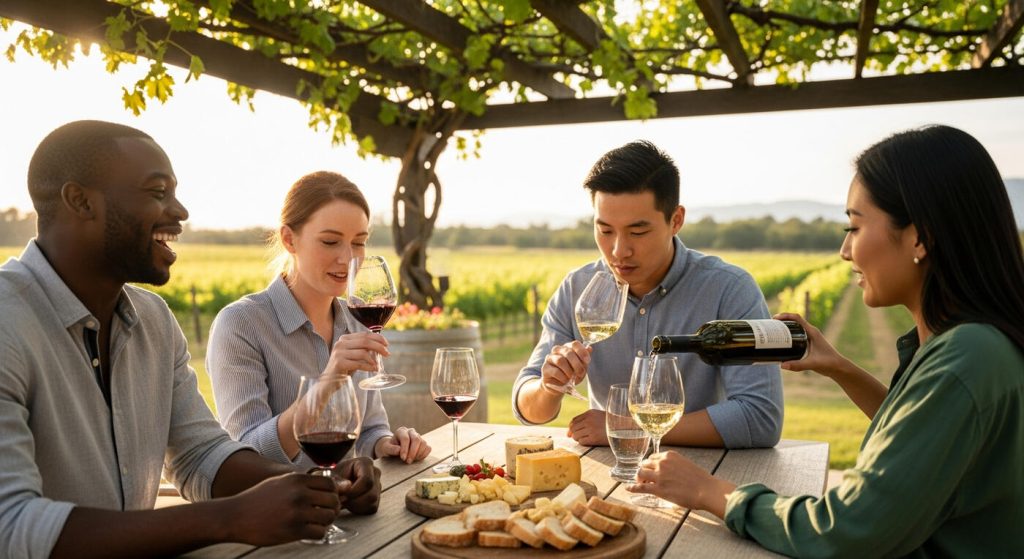
Ready to put your newfound appreciation for Chardonnay to the test? Hosting a wine tasting at home is a fun and educational way to explore different styles. Here’s how to do it:
- Select Your Wines: Choose 3-4 different Chardonnays – perhaps an unoaked version, a lightly oaked one, and a richer, more complex style. Include wines from different regions if possible.
- Prepare Your Palate: Ensure guests haven’t eaten strongly flavored foods beforehand. Have plain crackers or bread and water available for palate cleansing.
- Presentation Matters: Use clear wine glasses. Serve wines at the appropriate temperature (unoaked whites chilled, oaked whites slightly cooler than room temperature).
- Guided Tasting: Discuss appearance (color, clarity), aroma (fruit, oak, other notes), palate (acidity, body, flavor intensity, finish), and overall impression. Encourage open discussion and comparison.
- Food Pairings: If serving food, choose dishes that complement the wines you’re tasting. A cheese board with varied selections (from soft goat cheese to aged cheddar) works wonderfully.
Chardonnay’s journey from ubiquity to notoriety and now, back to celebrated prominence, is a testament to its inherent quality and adaptability. The wine that was once misunderstood is now more exciting and diverse than ever. Whether you’re drawn to the electric crispness of a Chablis or the opulent embrace of a well-crafted California Chardonnay, there’s a bottle waiting to win you over. Don’t let past perceptions hold you back; embrace the modern Chardonnay and rediscover why it earned its place as a global favorite. Cheers to giving this misunderstood varietal another chance!