
The world of wine is evolving, and the 2026 landscape is embracing a fascinating fusion of tradition and innovation with the emergence of wellness wine. Consumers are increasingly seeking beverages that not only delight the palate but also contribute positively to their well-being. This shift has given rise to exciting categories like CBD rosé, probiotic ferments, and a broader functional wine revolution. As we delve into this new era, understanding these trends, exploring vineyard spotlights, and mastering tasting tips become essential for the health-conscious wine drinker. Whether you’re interested in low sulfite wine, the adaptogen wine trend, or the natural wine health benefits, this guide is your gateway to discovering the best the wellness wine scene has to offer.
What is Wellness Wine?
- CBD Rosé: Wine infused with cannabidiol (CBD) for potential relaxation benefits without the psychoactive effects of THC.
- Probiotic Ferments: Wines that undergo fermentation processes designed to retain or enhance beneficial probiotic cultures, often found in naturally fermented or low-intervention wines.
- Functional Wine: A broader category encompassing wines with added health benefits, such as adaptogens, lower sugar content, or specific nutrient profiles.
- Low Sulfite & Natural Wines: Wines produced with minimal intervention, often featuring naturally occurring sulfites or none at all, appealing to those seeking cleaner options.
The Benefits of Functional Wine
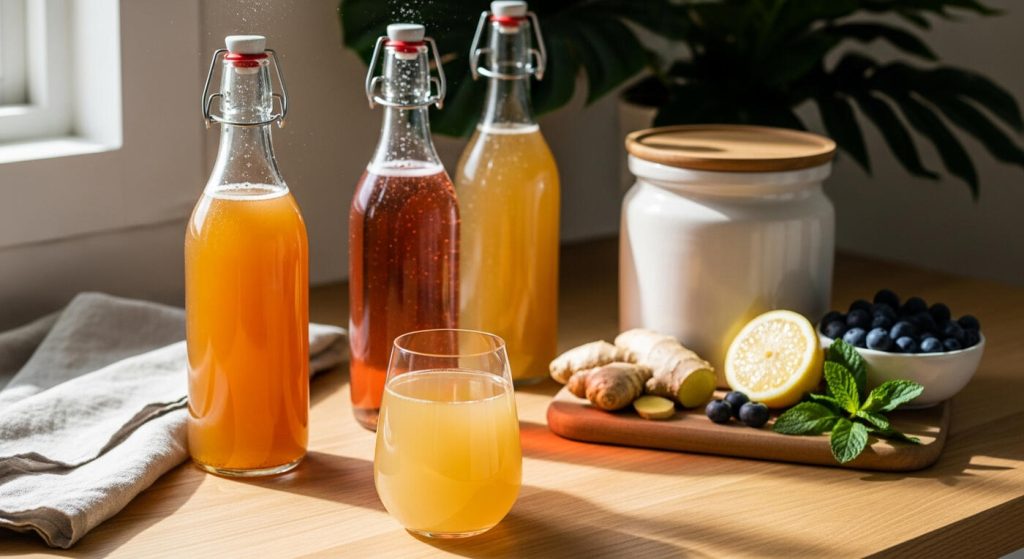
The core value of the functional wine movement lies in its ability to integrate wellness into a beloved social ritual. For many, wine is more than just a beverage; it’s a part of celebrations, quiet evenings, and social gatherings. Functional wine aims to enhance this experience by offering potential health advantages alongside the enjoyment of complex flavors and aromas. This includes seeking out wines that align with dietary preferences, such as organic and biodynamic wine guides, or exploring the natural wine health benefits that stem from traditional, less processed winemaking techniques. The adaptogen wine trend, for example, taps into the growing interest in botanicals that help the body manage stress.
This evolution doesn’t mean abandoning the artistry of winemaking. Instead, it’s about thoughtfully incorporating elements that support a balanced lifestyle. Think of it as elevating your wine experience to be more mindful. For those curious about how these wines are made and what benefits they truly offer, understanding the fermentation processes and the source of any added ingredients is key. This mindful approach extends to exploring the best affordable cabernet sauvignon 2026 and understanding its place alongside these innovative styles.
- Supports a holistic lifestyle by aligning beverage choices with wellness goals.
- Offers potential benefits such as relaxation (CBD) or gut health support (probiotics).
- Appeals to a growing consumer demand for transparency and natural ingredients in food and drink.
- Encourages mindful consumption and a deeper appreciation for the winemaking process.
- Provides sophisticated alternatives for those seeking to reduce alcohol intake or seek lower-sugar options.
Discovering Your Next Wellness Wine
Navigating the emerging landscape of wellness wine can be an exciting adventure. Whether you’re drawn to the calming properties of CBD or the gut-friendly nature of naturally fermented wines, there’s a functional option to suit your preferences. Here, we highlight some well-regarded real-world examples and who they might be best for.
Vino Herb CBD Rosé
Best for: Wine drinkers seeking a sophisticated, relaxing beverage without the intensity of alcohol. Ideal for unwinding after a long day or enjoying a mindful evening. Those curious about the CBD wine trend will find this an accessible, well-reviewed entry point.
Vino Herb CBD Wine is crafted from California grapes and undergoes a gentle dealcoholization process, resulting in less than 0.25% alcohol per bottle. Each bottle contains up to 60mg of CBD and 20mg CBG, and was created by Christina Musto-Quick, a fourth-generation winemaker and founding member of Women Winemakers of Connecticut.
- Offers notes of strawberry and watermelon with a smooth, crisp finish
- Infused with broad-spectrum CBD and CBG for a calming effect
- Low in sugar and calories
- Dealcoholized using a proprietary distillation process that preserves flavor
Check out their wines at Vino Herb
Dry Farm Wines — Natural Wine Subscription
Best for: Hosts looking for a gut-friendly, low-intervention wine for gatherings, or individuals interested in the intersection of naturally fermented beverages and digestive wellness. Perfect for those who enjoy exploring wines that retain the lactic acid bacteria and polyphenols stripped out of commercial wines.
Probiotic bacteria form in wine during fermentation. Commercial wines are filtered to remove nearly all bacteria and sediment, while natural wine keeps those beneficial bacteria in — including Pediococcus pentosaceus, a bacterium that attaches to the intestinal wall and protects against pathogens like E. coli. Dry Farm Wines curates natural wines that are organic, sugar-free, lower in alcohol and sulfites, and lab-tested for purity, with selections friendly to Paleo and Keto diets.
- Unfiltered wines retain naturally occurring lactic acid bacteria and wild yeast
- No added sulfites, sugar, or artificial additives
- Polyphenol-rich selections including Malbec, Pinot Noir, and Petite Syrah
- Delivered as a curated subscription with reds, whites, rosés, and sparkling options
See their offerings at Dry Farm Wines
Three Spirit Social Elixir
Best for: Health-conscious individuals exploring the adaptogen trend who want a wine-adjacent experience with botanical stress-balancing properties. This is for the experimental sipper who appreciates a complex, layered drink without alcohol and with genuine functional ingredients.
Three Spirit’s drinks are crafted by plant scientists, world-class bartenders, and winemakers using adaptogenic plants and nootropics, with over 40 awards for flavor and function. The Social Elixir’s key ingredients include lion’s mane mushroom, which has been linked to improvements in brain function, plus cacao and damiana, with a flavor profile similar to amaro or vermouth.
- Spicy and complex with notes of dark apple and cacao
- Features lion’s mane mushroom, yerba mate, damiana, and passionflower
- Designed to lift mood and reduce social inhibition without alcohol
- Pairs wonderfully with light appetizers and can be served on the rocks or lengthened with soda
Explore their products at Three Spirit US
FAQ
Q: Does CBD rosé contain alcohol?
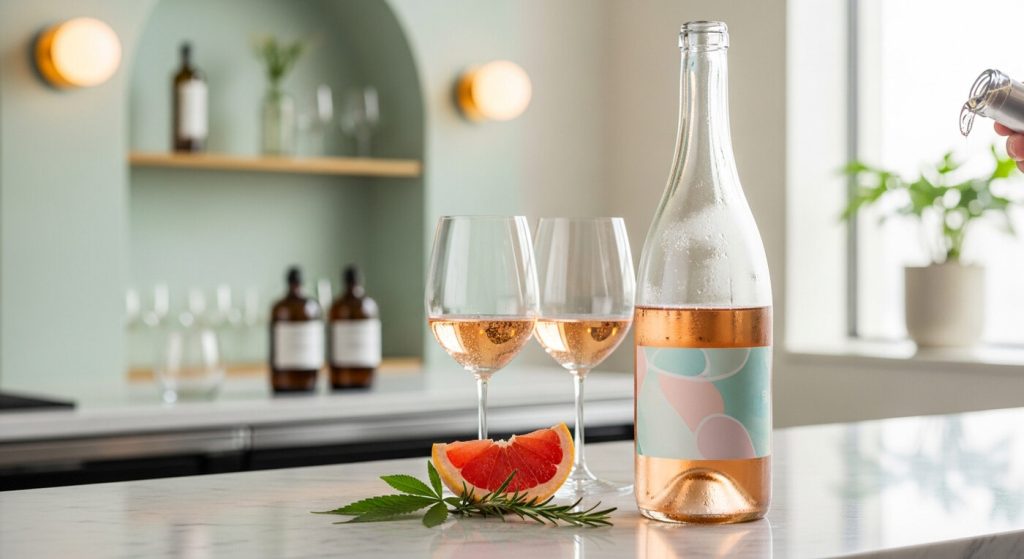
A: Most CBD wines, including CBD rosé, are typically made from traditional wine with CBD added, meaning they do contain alcohol. However, there is also a growing market for non-alcoholic CBD-infused beverages that mimic the taste and experience of wine.
Q: Are probiotic wines safe to drink?
A: Yes, probiotic wines are generally safe. The fermentation process naturally creates beneficial bacteria. In wines specifically designed for probiotic content, the focus is on retaining or enhancing these cultures through careful winemaking and storage, similar to other fermented foods and beverages like kombucha or kefir.
Q: What are the health benefits of functional wine?
A: The potential health benefits vary depending on the specific functional ingredient. CBD wines may offer relaxation and stress reduction. Probiotic wines could support gut health. Wines with adaptogens aim to help the body manage stress and promote balance. Low sulfite and natural wines appeal to those seeking to minimize additive intake. While natural wines do retain more lactic acid bacteria than commercial wines, experts like Dr. David Mills of UC Davis caution that wine simply isn’t a robust source of probiotics — the microbial content is far lower than in solid fermented foods like yogurt, kimchi, or sauerkraut. That doesn’t diminish the appeal of low-intervention, additive-free natural wines for wellness-minded drinkers — it’s simply worth keeping expectations grounded
Q: How do I find the best wellness wine for me?
A: Consider your personal wellness goals and flavor preferences. If you seek relaxation, explore CBD options. For digestive support, look into probiotic ferments. If you’re interested in botanicals for stress management, try adaptogen wines. Reading reviews, understanding ingredient lists, and being open to trying new styles from reputable vineyards will guide your selection.
Final thoughts
The wellness wine revolution is more than just a fleeting trend; it represents a thoughtful evolution in how we appreciate and consume wine. By embracing options like CBD rosé, probiotic ferments, and adaptogen-infused blends, we can align our enjoyment of wine with our health-conscious lifestyles. As the 2026 market continues to mature, expect even more innovative and beneficial offerings to emerge from vineyards around the globe.
Remember, the key is to approach these functional wines with curiosity and a discerning palate. Whether you’re a seasoned sommelier or new to the world of wine, exploring these novel categories offers a chance to discover new flavors and potential benefits, enhancing your drinking experience in truly modern ways. Always be mindful of alcohol content and any specific ingredients, ensuring your choices support your overall well-being.
So enjoy. Cheers! To your health!