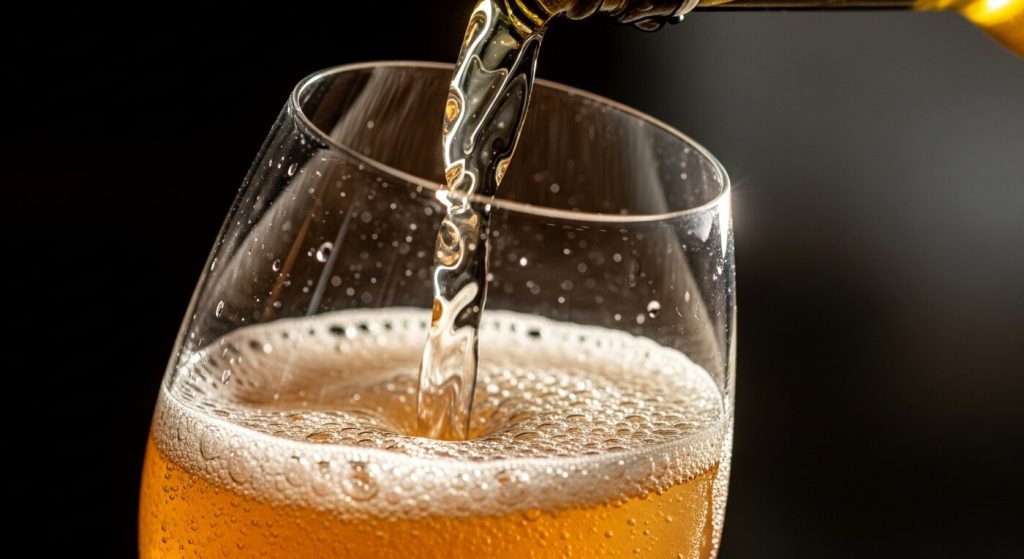
If you have been paying attention to natural wine trends in 2026, you have probably noticed two styles popping up everywhere: pet nat wine and piquette. These low-intervention wines are showing up on restaurant lists, at wine bars, and in the hands of curious drinkers who want something a little different from a standard bottle of Chardonnay.
Both styles lean into a philosophy of minimal winemaking. That means fewer additives, less filtration, and a willingness to let the grape and the process do the talking. The results can be cloudy, fizzy, funky, and genuinely interesting. They are not always polished. That is kind of the point.
This post breaks down what pet nat and piquette actually are, how they differ, what to expect when you open a bottle, and how to find good examples without getting burned by hype. Whether you are new to natural wine or already deep in the rabbit hole, there is something useful here.
What Is Pet Nat Wine and Why Is It Trending in 2026
Pet nat wine — short for petillant naturel — is a sparkling wine made using an ancient method called methode ancestrale. The wine is bottled before fermentation is fully complete. The remaining sugars ferment inside the bottle, which creates natural carbonation. There is no secondary fermentation added, no dosage, and usually no disgorgement. The result is a lightly sparkling wine with a yeasty, sometimes hazy character.
In 2026, pet nat continues to grow in popularity for a few clear reasons. It tends to be lower in alcohol than conventional sparkling wine. It is often more affordable than Champagne. And the range of flavors is genuinely wide — from bright and citrusy to deeply funky and almost cider-like. Winemakers across the country are experimenting with unusual grape varieties, which keeps things interesting.
One thing worth knowing: pet nat is not a standardized category. Two bottles labeled petillant naturel can taste dramatically different from each other. Some are clean and refreshing. Others are wild and unpredictable. That variability is part of the appeal, but it also means you need to do a little homework before grabbing a random bottle off a shelf.
Common traits across most pet nats include:
- Light to medium carbonation (softer bubbles than Champagne)
- Slight haziness or cloudiness from residual yeast
- Lower alcohol, often 10-12%
- Fruity, slightly yeasty aromas
- Dry to off-dry finish
- A tendency to foam aggressively when opened — open slowly
What Is Piquette Wine and How Does It Differ from Pet Nat
Piquette is a very different animal. It is made from grape pomace — the skins, seeds, and stems left over after pressing grapes for regular wine. Winemakers add water to the pomace and allow it to ferment again. The result is a low-alcohol, lightly tart, often slightly fizzy drink that has more in common with a table wine or even a light cider than with conventional wine.
Historically, piquette was a peasant drink. French vineyard workers drank it because it was cheap and available. For a long time it was considered a throwaway product. But natural winemakers have reclaimed it as a low-waste, low-intervention style worth taking seriously. In 2026, you are seeing piquette on menus at serious wine bars alongside bottles that cost ten times as much.
Here is how pet nat and piquette compare side by side:
- Alcohol: Pet nat is typically 10-12%. Piquette is usually 5-9%.
- Base: Pet nat uses fresh grape juice. Piquette uses leftover pomace plus water.
- Carbonation: Pet nat has consistent light bubbles. Piquette may have faint effervescence or none at all.
- Flavor: Pet nat leans fruity and yeasty. Piquette tends toward tart, light, and slightly earthy.
- Price: Both are affordable, but piquette is often the cheaper of the two.
- Availability: Pet nat is easier to find nationally. Piquette is more niche and often sold direct from the winery.
Piquette pairs well with casual situations — a backyard gathering, a weeknight dinner, or a lazy afternoon. It is not a serious tasting wine, and treating it like one will lead to disappointment. Think of it as a refreshing, low-stakes drink with an interesting story behind it.

Low-Intervention Winemaking: What It Actually Means
Low-intervention wine is a broad term that covers a range of approaches. At its core, it means the winemaker is doing as little as possible to alter what nature provides. That usually means no added sulfites (or very few), no commercial yeasts, no fining or filtration, and no adjustments to acidity, alcohol, or color. The wine reflects the grape, the vintage, and the place where it was grown.
This approach is closely related to — but not identical to — natural wine, biodynamic wine, and orange wine. Each of those terms carries its own specific meaning. A wine can be low-intervention without being certified biodynamic. A wine can be natural without being unfiltered. The overlapping terminology can get confusing. The simplest way to think about it: low-intervention means fewer steps between the grape and the glass.
Why does this matter to drinkers? A few reasons:
- Flavor authenticity: Without heavy manipulation, each bottle tastes more like where it came from.
- Vintage variation: Low-intervention wines change more from year to year, which makes them more interesting to follow.
- Potential downsides: Without stabilizers, some bottles are fragile. They may need refrigeration. They can be more sensitive to temperature swings during shipping.
- Label transparency: Many small producers list what they have and have not added. That transparency is genuinely useful when you are choosing a bottle.
A common mistake new drinkers make is assuming low-intervention automatically means better quality. It does not. A badly made natural wine is still a badly made wine. The philosophy behind production does not guarantee a good result. Taste widely, keep notes, and learn which producers you trust.
How to Find Good Pet Nat and Piquette Bottles
Finding reliable bottles of pet nat wine in 2026 is easier than it was a few years ago. Natural wine shops have expanded nationally. Online retailers now carry a much wider selection than they used to. And wine subscriptions focused on low-intervention styles have grown significantly. That said, quality varies a lot, so knowing where to look matters.
Here are some practical ways to find good bottles:
- Shop at dedicated natural wine retailers rather than general liquor stores. Staff knowledge makes a real difference.
- Look for importers you trust. A good importer is a strong signal of quality. Names like Louis/Dressner, Jenny and Francois, and Zev Rovine appear often on reliable natural wine labels.
- Try a curated natural wine subscription. These often include tasting notes and producer context that helps you learn as you drink.
- Ask for producer-direct options. Many small piquette producers sell directly through their websites or mailing lists.
- Check wine-focused apps like Vivino or CellarTracker for community reviews on specific bottles.
For piquette specifically, expect limited availability. Many bottles are made in very small quantities and sold regionally or direct. If you see one at a wine bar, order it there. Getting it to go may not be an option. A few American producers making piquette worth watching include Ovum in Oregon, Ruth Lewandowski in California, and Scholium Project, also in California.
For pet nat, the range is much wider. French producers from the Loire Valley set the standard — look for bottles from Domaine de la Boheme or Frantz Saumon. In the US, Bow and Arrow in Oregon and Early Mountain in Virginia are making consistently good examples.
Serving, Storing, and Common Mistakes with Pet Nat and Piquette
Pet nat and piquette are both more delicate than conventional wine. They benefit from cold storage and should be treated more like fresh produce than a shelf-stable product. Understanding a few basics will save you from ruined bottles and disappointing experiences.
Serving tips:
- Serve pet nat well-chilled, around 45-50 degrees Fahrenheit. Warmer temperatures make it foam excessively.
- Open slowly. Tilt the bottle and ease the crown cap off. Pet nat can gush if shaken or opened too fast.
- Pour into a regular white wine glass, not a Champagne flute. The wider opening lets the aromas open up.
- Piquette is best served cold as well, closer to 40-45 degrees. Think of it like a light lager in terms of serving temp.
- Both styles are meant to be consumed young. Most bottles are best within one to two years of release.
Storage tips:
- Keep pet nat in the refrigerator if you plan to drink it within a few weeks.
- If storing longer, a cool, dark cellar at around 55 degrees works. But these wines are not built for aging.
- Avoid temperature swings. Heat damages them quickly.
- Once opened, finish within a day or two. A sparkling wine stopper will help preserve bubbles overnight.
Common mistakes:
- Ordering pet nat at a restaurant and letting it sit warm on the table while you order food. It gets flabby fast.
- Expecting piquette to taste like wine. It does not. Approach it on its own terms.
- Buying a case of a new producer without trying one bottle first. These wines are variable. Always sample before committing.
- Confusing cloudiness with a flaw. Haze in pet nat is normal. It is yeast, not a defect.
Pairing Pet Nat and Piquette with Food
Pet nat and piquette are both food-friendly in an informal, easy-going way. They are not wines that need elaborate pairings. Their lower alcohol, natural acidity, and light carbonation make them versatile at the table. The key is to match the casual energy of the wine with the right kind of meal.
Pet nat food pairings that work well:
- Fresh goat cheese, ricotta, or mild soft cheeses
- Charcuterie boards with cured meats and pickled vegetables
- Oysters and other raw shellfish
- Light salads with citrus vinaigrette
- Grilled fish or vegetables with herbs
- Spicy Southeast Asian dishes — the slight sweetness in some pet nats balances heat well
Piquette food pairings that work well:
- Simple charcuterie and bread
- Roasted nuts and olives
- Light pasta dishes with olive oil and garlic
- Grilled vegetables
- Casual snack situations — piquette is not trying to compete with a fancy dinner course
Both styles struggle alongside very rich, heavy dishes. A braised short rib or a butter-heavy sauce will overwhelm them. Stick with lighter preparations and the pairing comes together naturally. Check out our post on creating a seafood charcuterie board for inspiration.
Frequently Asked Questions
Is pet nat wine always cloudy or can it be clear?
Pet nat can range from very hazy to fairly clear depending on how the producer handles it. Most are at least slightly cloudy due to residual yeast, but some producers do disgorge their bottles, which removes the sediment and produces a clearer wine. If you prefer less haze, look for labels that specify disgorgement or “remuage.” Cloudiness itself is not a flaw — it is simply a style choice.
How long does an open bottle of piquette last in the fridge?
Piquette is best finished within one to two days of opening. Its low alcohol content and minimal preservatives mean it deteriorates faster than most wines. Keep the bottle tightly sealed and cold. If it starts to smell sharp or vinegary, it has turned. Unlike conventional wine, piquette does not benefit from breathing — open it and drink it.
Can people who are sensitive to sulfites drink pet nat wine safely?
Many pet nat wines are made with little or no added sulfites, which makes them a reasonable option for people who react to sulfites in conventional wine. However, some producers do add small amounts at bottling for stability. Always check the label or contact the producer directly. Keep in mind that grapes naturally contain some sulfites regardless of whether any are added during winemaking.
What is the difference between methode ancestrale and methode champenoise?
Methode ancestrale — used for pet nat — involves bottling the wine before fermentation finishes, allowing CO2 to develop naturally inside the bottle from the original fermentation. Methode champenoise, used for Champagne and many other traditional-method sparkling wines, involves a completed first fermentation, then a deliberate second fermentation triggered by adding yeast and sugar to the bottle. The two methods produce different textures, bubble sizes, and flavor profiles.
Does piquette count as wine legally in the United States?
Under US federal law, piquette technically falls into a gray area. Because it is made by adding water to grape pomace rather than fermenting fresh grape juice, the TTB (Alcohol and Tobacco Tax and Trade Bureau) does not classify it as wine under the standard definition. Some producers label it as a “grape pomace beverage” or similar. Regulations continue to evolve, and a few states have begun creating clearer frameworks for piquette as producer interest grows.